

 By
By Introduction
A smile can affect how people see you, how you feel in photos, and how confident you sound in daily life. That is why the term brasssmile is getting attention in 2026. Some people use it for metallic braces and smile improvement. Others connect it with brass decor, jewelry, or music.
The most useful meaning, however, is linked to dental care and modern smile aesthetics. This guide explains what the term means, how it connects with oral health, what mistakes to avoid, and how to build a safer smile-care routine.
What Does brasssmile Mean?
Brasssmile is not an official dental procedure. It is a broad term that usually describes a strong, bright, confident smile, often connected with braces, dental care, cosmetic dentistry, or metallic smile aesthetics.
The word can also appear in lifestyle or creative topics. “Brass” may suggest strength, shine, warmth, or metal. “Smile” suggests confidence, health, and appearance.
Because the term is broad, readers should understand the context before making decisions. A person searching for dental help needs different advice than someone searching for brass jewelry, brass decor, or brass band music.
| Meaning | What It Usually Refers To | Best Reader Fit |
| Dental care | Braces, whitening, oral hygiene, smile improvement | People improving their teeth |
| Decor or jewelry | Brass accents, gold-toned accessories, warm metal design | Style and home readers |
| Music | Brass bands, trumpets, trombones, arrangements | Music learners or performers |
| Digital blog term | A broad informational website or keyword | General web readers |
For this article, the strongest niche is dental care and smile aesthetics because most readers want useful guidance about improving their smile safely.
How brasssmile Connects With Dental Care and Aesthetics
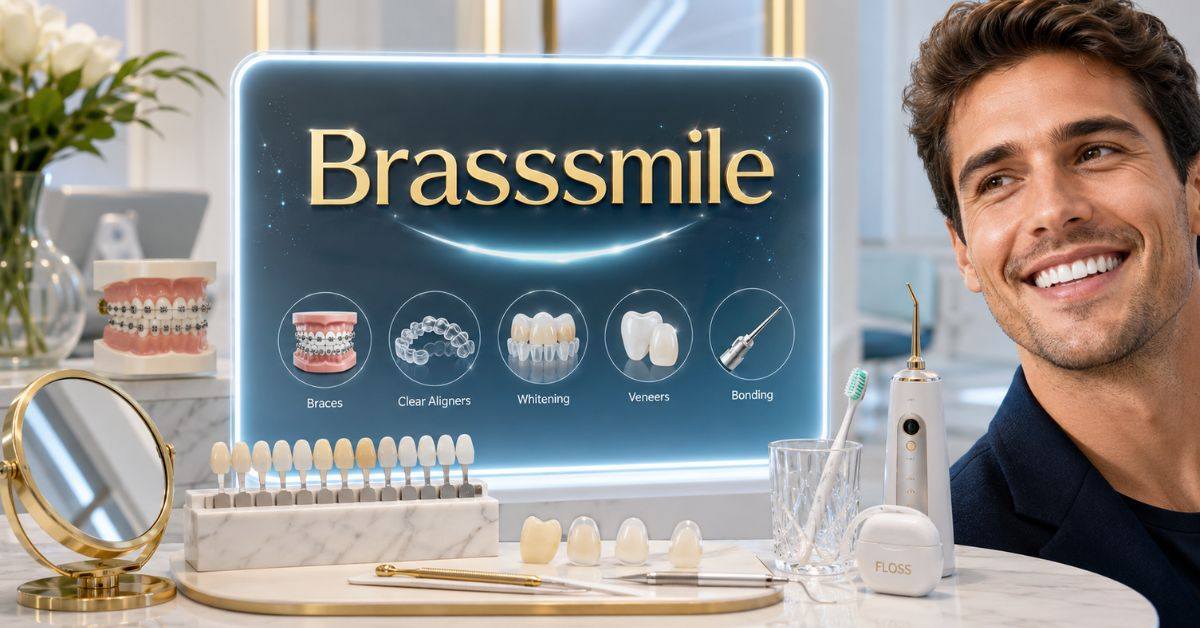
In dental content, brasssmile often points to the stage where someone is improving their teeth. This may include braces, clear aligners, whitening, bonding, veneers, or better daily oral hygiene.
A confident smile is not only about white teeth. It also depends on gum health, tooth alignment, fresh breath, clean enamel, and comfort when speaking or eating.
A healthy smile usually starts with simple habits:
- Brushing twice daily with fluoride toothpaste
- Cleaning between teeth every day
- Limiting sugary snacks and drinks
- Visiting a dentist for routine checks
- Avoiding tobacco and unsafe whitening hacks
Modern smile aesthetics in 2026 are also more natural than before. Many people no longer want an overly bright, artificial look. They want teeth that look clean, balanced, and realistic.
That is why a safe brasssmile approach should focus on health first, then appearance.
Featured Snippet: How to Start a Safe brasssmile Routine
To start a safe brasssmile routine, first build strong daily oral care, then speak with a dentist before using whitening products, braces, aligners, or cosmetic treatments. Do not begin with aggressive bleaching or DIY dental trends because they may irritate gums or damage enamel.
Follow these steps:
- Every day, you should brush your teeth for two minutes each time. Use fluoride mouthwash.
- Floss or clean between teeth once daily.
- Take a clear photo of your smile to track changes.
- Book a dental checkup before major cosmetic treatment.
- Ask about stains, cavities, gum health, and alignment.
- Choose the least invasive option that fits your goal.
- Avoid fast-fix products that promise dramatic results overnight.
This process keeps your smile plan realistic. It also helps you avoid spending money on products that may not solve the real issue.
Braces, Whitening, and Cosmetic Options Explained
A brasssmile journey can look different for each person. Some people need orthodontic treatment. Some only need better cleaning and stain control. Others may want cosmetic work.
Here is a simple comparison.
| Option | Best For | Important Note |
| Braces | Crowding, spacing, bite issues | Requires careful cleaning around brackets |
| Clear aligners | Mild to moderate alignment issues | Must be worn as directed |
| Whitening | Surface stains and yellowing | Works best after dental advice |
| Bonding | Small chips or gaps | May stain over time |
| Veneers | Shape, size, or color changes | More permanent and costly |
| Routine cleaning | Plaque, tartar, gum health | Often the smartest first step |
Braces and aligners can improve tooth position, but they are not only cosmetic. Better alignment can also make cleaning easier.
Whitening can brighten teeth, but it does not work the same for everyone. Fillings, crowns, veneers, and some deep stains may not whiten like natural enamel. People with sensitivity or gum issues should be extra careful.
A dentist can help you choose between whitening, orthodontics, bonding, or simply improving your cleaning routine.
Common Mistakes
Many people make smile-care mistakes because they want fast results. A careful brasssmile plan avoids shortcuts that can create bigger problems.
One common mistake is using strong whitening products too often. More whitening does not always mean better results. It can lead to sensitivity, irritated gums, or uneven color.
Another mistake is ignoring gum health. Pink, firm gums matter as much as white teeth. Bleeding gums, swelling, or bad breath may signal a problem that needs dental care.
People with braces also make the mistake of eating sticky or hard foods without thinking. Popcorn, chewing gum, hard candy, and very chewy snacks can damage brackets or trap food.
Avoid these habits:
- Brushing too hard with a stiff toothbrush
- Using lemon juice, charcoal, or baking soda aggressively
- Skipping floss because it feels difficult
- Starting whitening while cavities are untreated
- Trusting social media hacks over dental advice
- Expecting cosmetic work to replace daily hygiene
A beautiful smile should not come at the cost of tooth health.
Pro Tips and Best Practices
The best brasssmile results come from small habits repeated daily. Your routine doesn’t need to be hard. You need a consistent one.
Use a soft-bristled toothbrush and replace it when the bristles look worn. Brush gently at the gumline instead of scrubbing hard. If it’s hard for you to floss, try floss picks, an interdental brush, or a water flosser.
If you wear braces, keep a travel kit with a small toothbrush, fluoride toothpaste, and orthodontic wax. This helps after meals and during long days away from home.
For whitening, start with a dental exam. Ask whether your stains are external, internal, or linked to old dental work. This saves money and prevents disappointment.
Best practices include:
- Drink water after coffee, tea, or dark sauces.
- Do not brush immediately after acidic drinks.
- Use a mouthguard if you grind your teeth.
- Keep whitening realistic and natural-looking.
- Treat pain, bleeding, or sensitivity as warning signs.
- Choose dental care before cosmetic upgrades.
A good smile plan should feel safe, simple, and sustainable.
FAQs
Is brasssmile a real dental treatment?
Yes, brasssmile is not a real dentistry treatment. It is better understood as a broad term linked to smile confidence, braces, oral care, and aesthetics. For real treatment, use professional terms such as braces, whitening, bonding, veneers, or orthodontic care.
What is the safest way to improve a brasssmile?
The safest way to improve a brasssmile is to begin with daily oral hygiene and a dental checkup. Brushing, flossing, and professional cleaning help build the foundation. After that, a dentist can advise whether whitening, braces, aligners, or bonding makes sense.
Can whitening products damage teeth?
Yes, whitening products can cause sensitivity or gum irritation if used incorrectly. They are safer when chosen with dental advice, especially for people with cavities, gum disease, restorations, or exposed roots. Avoid extreme DIY whitening methods from social media.
Does brasssmile only mean braces?
No, brasssmile does not only mean braces. Braces are one common connection because of metal brackets and visible smile transformation. The term can also relate to whitening, cosmetic dentistry, oral hygiene, brass-inspired design, or even brass music depending on context.
What foods should people with braces avoid?
People with braces should usually avoid sticky, hard, and chewy foods. Popcorn, gum, hard candy, caramel, and biting whole apples can damage brackets or wires. Softer foods and careful cutting make eating easier during orthodontic treatment.
Is a bright white smile always healthier?
No, a bright white smile is not always healthier. Tooth color can vary naturally, and very white teeth can still have gum problems or cavities. A healthy smile should be clean, comfortable, functional, and checked by a dentist.
How long does smile improvement take?
Depending on the goal, it can take days, weeks, or months to get a better smile. Cleaning and better hygiene may show quick freshness benefits. Whitening can be faster, while braces or aligners often take much longer. A dentist can give the most realistic timeline.
Conclusion
A strong brasssmile is not about chasing a perfect online look. It is about building a smile that is clean, healthy, confident, and realistic for your face, budget, and dental needs.
If you want to improve your smile in 2026, start with safe basics before cosmetic choices. The smartest brasssmile plan protects your teeth first and improves appearance second.